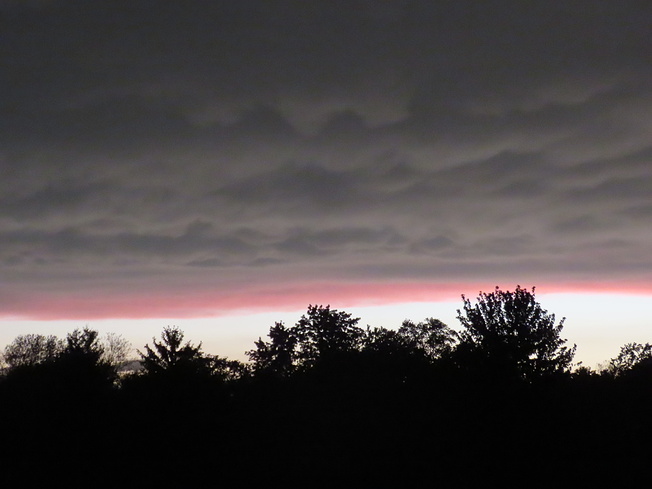
Monday Word: Nacreous
May. 4th, 2026 06:33![[personal profile]](https://www.dreamwidth.org/img/silk/identity/user.png) stonepicnicking_okapi posting in
stonepicnicking_okapi posting in ![[community profile]](https://www.dreamwidth.org/img/silk/identity/community.png) 1word1day
1word1daynacreous [ney-kree-uhs]
adjective
resembling mother-of-pearl; lustrous; pearly, iridescent
examples
1. This one is tough--its nacreous, butterfly shell swings shut on its hinges, small black wings locked like a mouth. "Mussels" [poem] by Lucinda Roy.
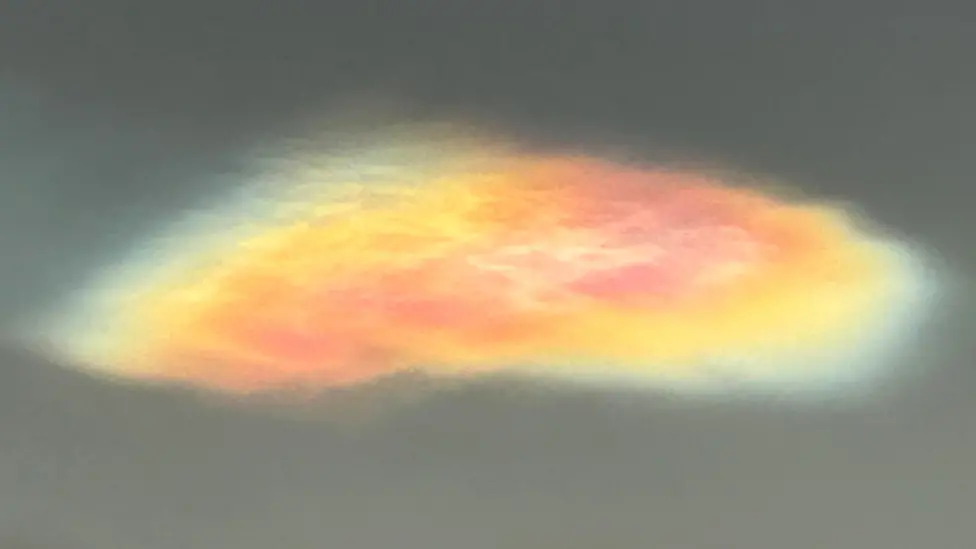
2. "Looking like a "portal to the next dimension" or possibly a spaceship, the shimmering colours of nacreous cloud were spotted. "Rare 'rainbow cloud' spotted in UK skies." BBC. 21 December 2023
origin
1590s, "type of shellfish that yields mother-of-pearl," from French nacre (Old French nacaire, 14c.), from Italian naccaro (now nacchera), possibly from Arabic naqur "hunting horn" (from nakara "to hollow out"), in reference to the shape of the mollusk shell. Meaning "mother-of-pearl" is from 1718. The French adjectival form nacré was applied in English to decorative objects iridescent like mother of pearl (1895).
May the fourth be with you!
adjective
resembling mother-of-pearl; lustrous; pearly, iridescent
examples
1. This one is tough--its nacreous, butterfly shell swings shut on its hinges, small black wings locked like a mouth. "Mussels" [poem] by Lucinda Roy.
2. "Looking like a "portal to the next dimension" or possibly a spaceship, the shimmering colours of nacreous cloud were spotted. "Rare 'rainbow cloud' spotted in UK skies." BBC. 21 December 2023
origin
1590s, "type of shellfish that yields mother-of-pearl," from French nacre (Old French nacaire, 14c.), from Italian naccaro (now nacchera), possibly from Arabic naqur "hunting horn" (from nakara "to hollow out"), in reference to the shape of the mollusk shell. Meaning "mother-of-pearl" is from 1718. The French adjectival form nacré was applied in English to decorative objects iridescent like mother of pearl (1895).
May the fourth be with you!












![[admin post]](http://www.dreamwidth.org/img/silk/entry/admin_post.png)